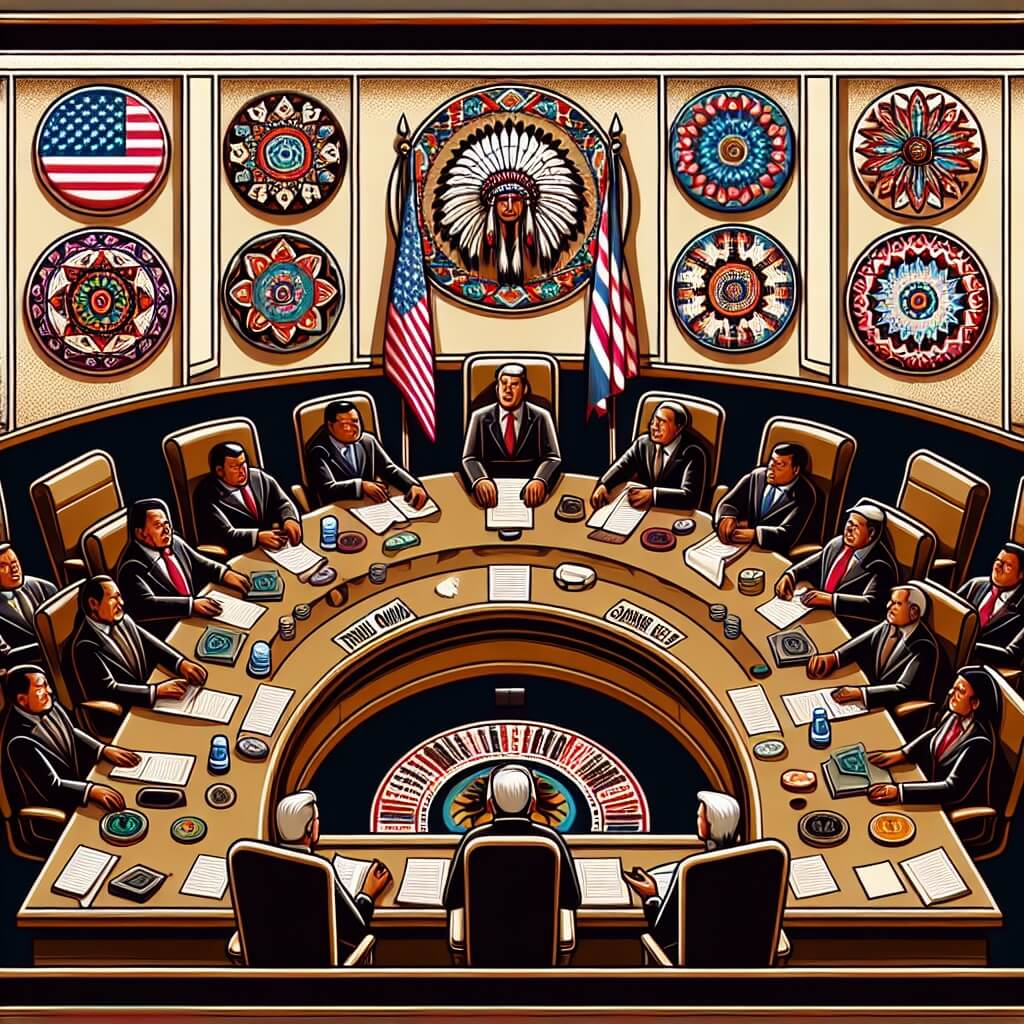
Concerns are growing in Indian Country over the implications of the budget reconciliation bill recently signed into law. The bill’s impact on tribal sovereignty has tribal leaders on high alert, as it could potentially lead to increased federal intervention in areas such as energy extraction and school privatization. Learn more about gaming legislation’s impact on tribes in this related article.
According to Victor Rocha, chairman of the Indian Gaming Association, the bill threatens self-governance and treaty obligations that tribes have fought hard to secure. Many aspects such as education, energy, governance, and jurisdiction are at risk, potentially forcing tribes to defend the foundational elements of their nations. Read more news
Tribal Sovereignty Faces New Challenges
Jason Giles, executive director of the Indian Gaming Association, joined other experts in discussing the potential fallout from this legislation. They noted that while some policies from the Trump administration have been favorable, this bill presents a long-term threat to tribal communities across the United States.
Budget reconciliation has a historical precedent for passing major legislation, from the Affordable Care Act to tax cuts and COVID-19 recovery plans. The current bill includes significant allocations, such as $4 trillion for permanent tax cuts and $150 billion for immigration and defense.
Impact on Tribal Casinos and Healthcare
Although the bill includes support for tribes, such as grant funding for Homeland Security and tax credits, other provisions could harm tribal economies. Notably, a measure to limit gamblers’ ability to deduct losses could lead to a downturn in tribal casino visitors, with players potentially going offshore to avoid this restriction.
The gambling industry’s reaction underscores the concern about revenue streams being jeopardized, with Giles pointing to the desperation in revenue collection measures. Tribal leaders fear these changes could foster economic instability, especially in areas like healthcare and small business programs that are crucial to community wellbeing.
Navigating the Legislative Landscape
The discussion concluded with a focus on future legislative battles, emphasizing the importance of bipartisan support. Tribal leaders are preparing for renewed budget debates in September, where further cuts could challenge tribal programs and services. Despite these challenges, the annual budget process still requires compromise, providing some hope for mitigating the impacts on tribal sovereignty.
Moreover, the upcoming midterms may delay the implementation of some detrimental measures, giving tribal communities time to prepare and mobilize politically. The fiscal landscape for Indian Country remains uncertain, but alertness and advocacy will be key in navigating these turbulent waters.